Living Organisms
Live organisms for biology classet
Lively teaching materials for research and learning
When learning comes alive, knowledge sticks. With Carolina Science's living organisms, students discover nature as it really is: in motion, interacting, changing.
Our live cultures are specially bred for schools and universities, professionally tested, and securely packaged. Bring real biology into your classroom – for amazement, research, and understanding.

Why living organisms enrich biology lessons
Models explain structures – living organisms make the miracle of life visible and tangible. When paramecia glide through the water, algae react to light, or a painted lady butterfly unfolds its wings, theory becomes a tangible experience. This transforms the classroom into a research laboratory: forming hypotheses, changing experimental conditions, comparing results. An ideal basis for project weeks, student laboratories, and learning circles on topics such as ecology, genetics, or cell biology – practical, exciting, and research-oriented.

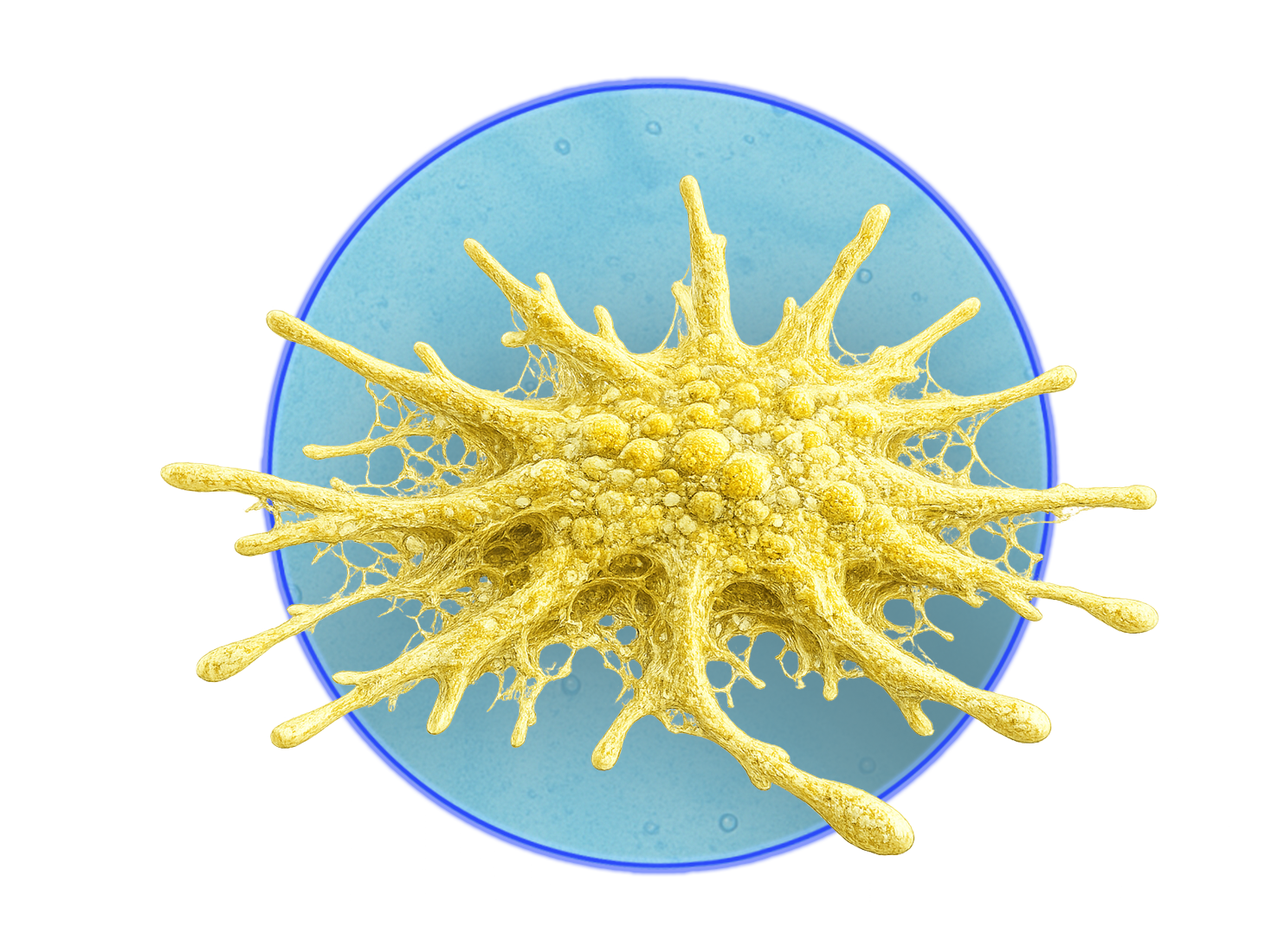
Slime mold (Physarum polycephalum)
The “intelligent single-celled organism” displays astonishing forms of decision-making behavior.
Discover our slime mold →
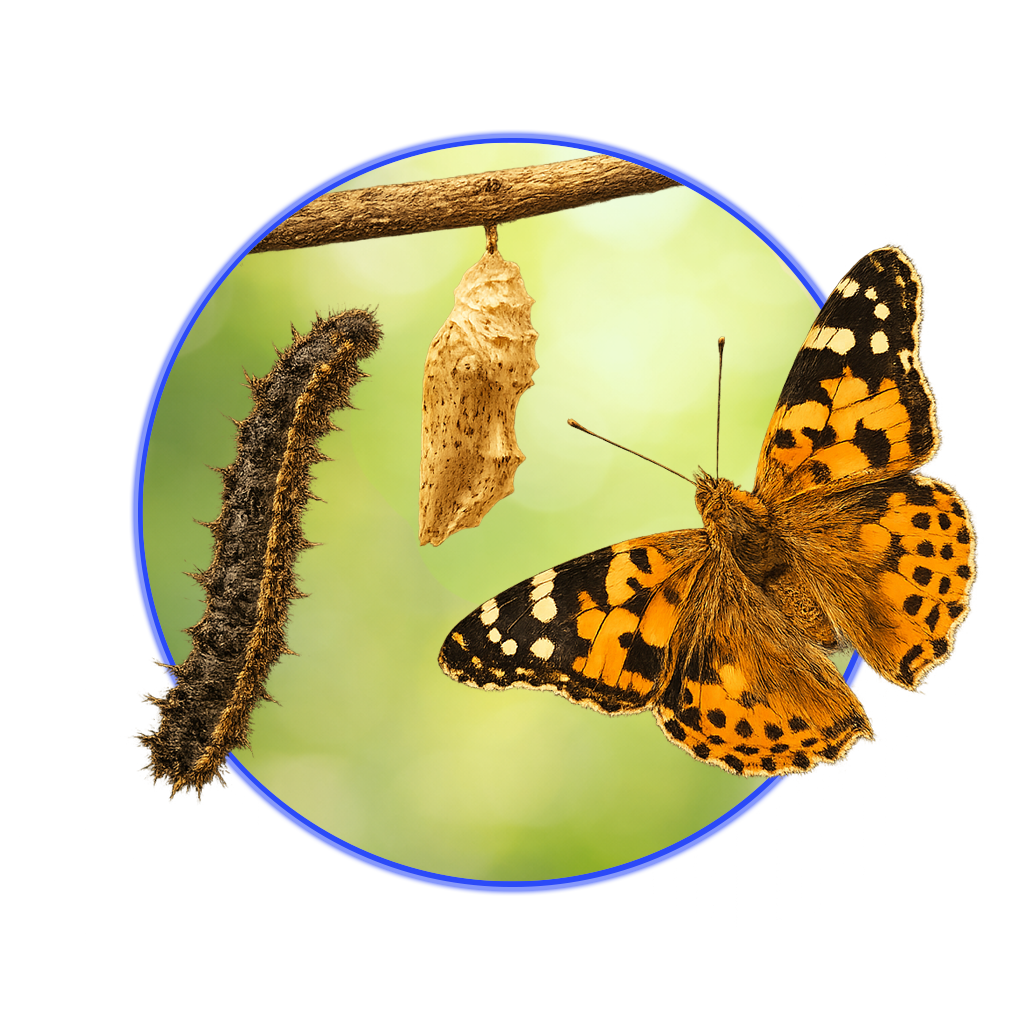
Butterflies (painted lady)
From caterpillar to butterfly: metamorphosis makes developmental processes visible.
Our living organisms at a glance
At Carolina Science, you will find a wide selection of living organisms for biology lessons: carefully cultivated, versatile, and ready to use. We supply them with clear care and observation instructions for successful experimentation with guaranteed results.
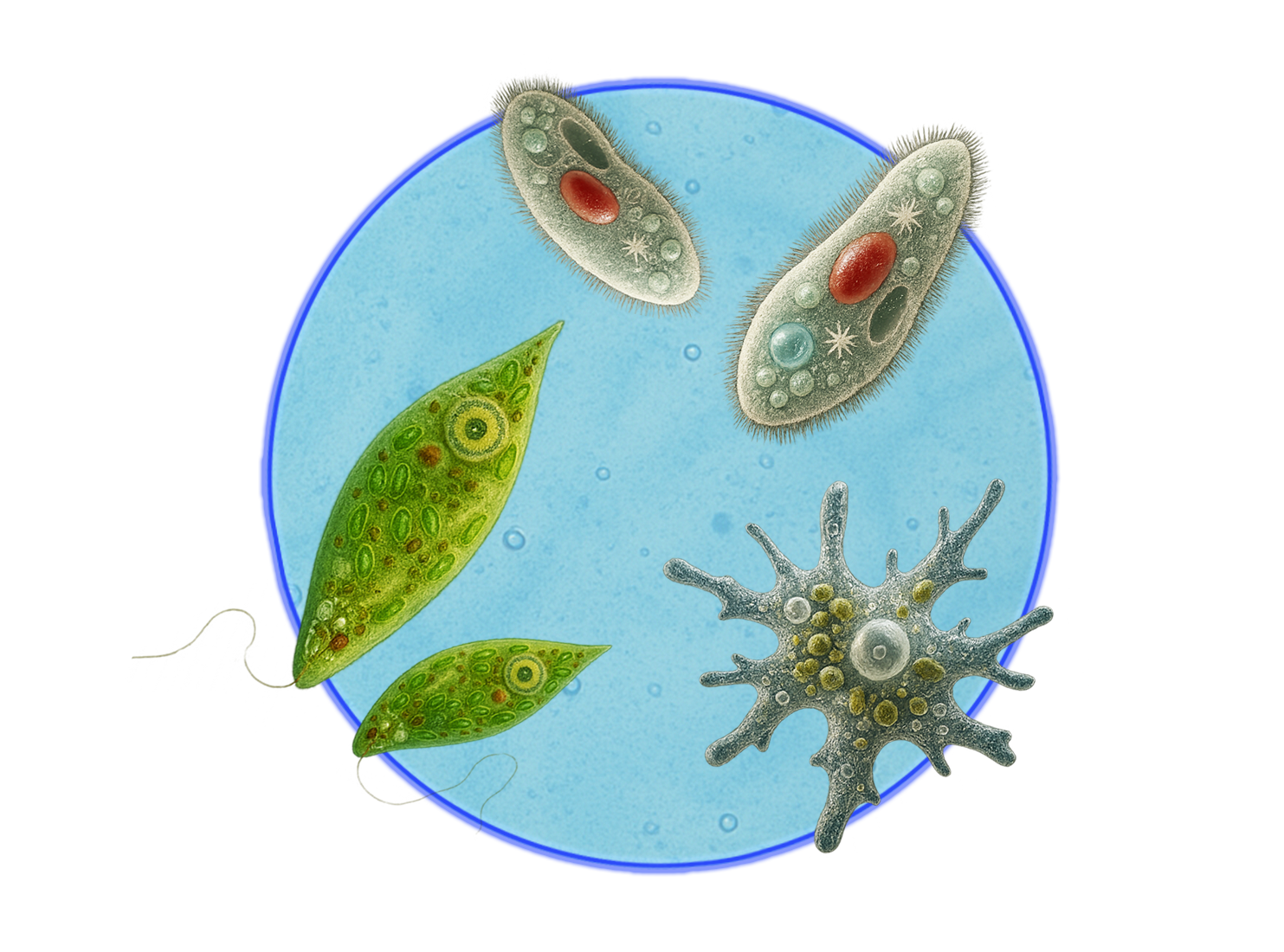
Protozoa & Microorganisms
These single-celled organisms demonstrate how life works – from amoebas to paramecia.
Discover our protozoa and microorganisms →
Protozoa & Microorganisms
These single-celled organisms demonstrate how life works – from amoebas to paramecia.
Discover our protozoa and microorganisms →
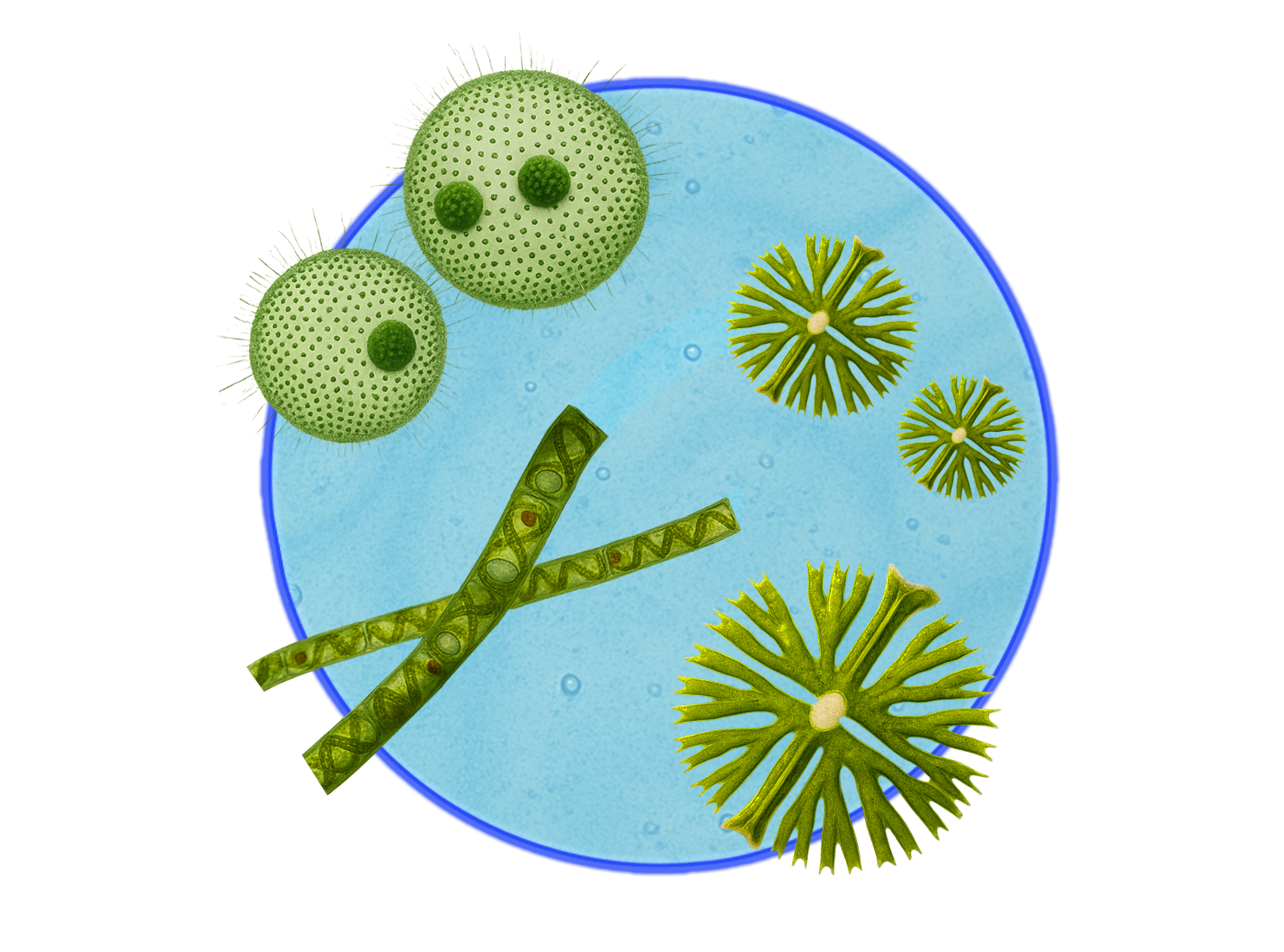
Slime mold (Physarum polycephalum)
The “intelligent single-celled organism” displays astonishing forms of decision-making behavior.
Discover our slime mold →
Butterflies (painted lady)
From caterpillar to butterfly: metamorphosis makes developmental processes visible.
Microscopic examinations – learning to look closely
Whether single-celled organisms, algae, or leaf cells: only under the microscope can the true extent of biological diversity be seen.
We offer accessories such as microscope slides and stains so that learners can observe and document their findings independently. With our step-by-step instructions, experiments can be carried out successfully, even without laboratory experience.
How to successfully use it in class
Work with living organisms does not require any special prior knowledge. After just a short period of preparation, students can get started themselves: using microscopes, observing, documenting. This turns every experiment into a small research project – safe, controlled, and full of moments of discovery.
- Preparation: Check materials, read care instructions, prepare worksheets.
- Observe: Use a microscope, measure, sketch, compare – see with your own eyes what life means.
- Analyze: Evaluate data, test hypotheses, derive biological principles.
- Reflect: Address responsibility and sustainability.
Microscopic examinations – learning to look closely
Whether single-celled organisms, algae, or leaf cells: only under the microscope can the true extent of biological diversity be seen.
We offer accessories such as microscope slides and stains so that learners can observe and document their findings independently. With our step-by-step instructions, experiments can be carried out successfully, even without laboratory experience.
How to successfully use it in class
Work with living organisms does not require any special prior knowledge. After just a short period of preparation, students can get started themselves: using microscopes, observing, documenting. This turns every experiment into a small research project – safe, controlled, and full of moments of discovery.
- Preparation: Check materials, read care instructions, prepare worksheets.
- Observe: Use a microscope, measure, sketch, compare – see with your own eyes what life means.
- Analyze: Evaluate data, test hypotheses, derive biological principles.
- Reflect: Address responsibility and sustainability.
Educational resources – knowledge that grows
We won't leave you alone with your experiments. With every delivery, you will receive care instructions and access to teaching materials, worksheets, and observation templates that make biological processes easy to understand. In our Workshops, experts show you how to use living organisms safely, effectively, and enthusiastically in the classroom.
Safety & quality at Carolina Science
Reliable results require reliable materials. That is why all live cultures at Carolina Science are regularly checked, tested for vitality, and professionally packaged.
Each type is selected so that it can be used in real teaching conditions – from classrooms to university laboratories.
Each set includes care instructions, a safety data sheet, and practical tips to ensure that experiments are safe, reproducible, and stress-free. The result is teaching that you can rely on—with quality that works.
Educational resources – knowledge that grows
We won't leave you alone with your experiments. With every delivery, you will receive care instructions and access to teaching materials, worksheets, and observation templates that make biological processes easy to understand. In our Workshops, experts show you how to use living organisms safely, effectively, and enthusiastically in the classroom.
Safety & quality at Carolina Science
Reliable results require reliable materials. That is why all live cultures at Carolina Science are regularly checked, tested for vitality, and professionally packaged.
Each type is selected so that it can be used in real teaching conditions – from classrooms to university laboratories.
Each set includes care instructions, a safety data sheet, and practical tips to ensure that experiments are safe, reproducible, and stress-free. The result is teaching that you can rely on—with quality that works.
Sustainable breeding & ecological responsibility
Our living organisms come from sustainable, resource-efficient breeding facilities in Berlin. We support teachers in making sustainability tangible in the classroom, for example through projects on habitats, material cycles, or the responsible treatment of living creatures. This way, ecological thinking becomes part of every experiment.
Frequently asked questions (FAQ)
Please click on the question to see the answer.
Living organisms and microorganisms come in secure packaging, climate-controlled for weather conditions, and with care instructions.
Yes – all experiments are based on German curricula from elementary school to high school.
Yes – we put together individual kits or refill sets on request.
Do you have any further questions?
Please feel free to contact us.
Phone: +49 (30) 838 50 683
Email: info@carolina-science.de